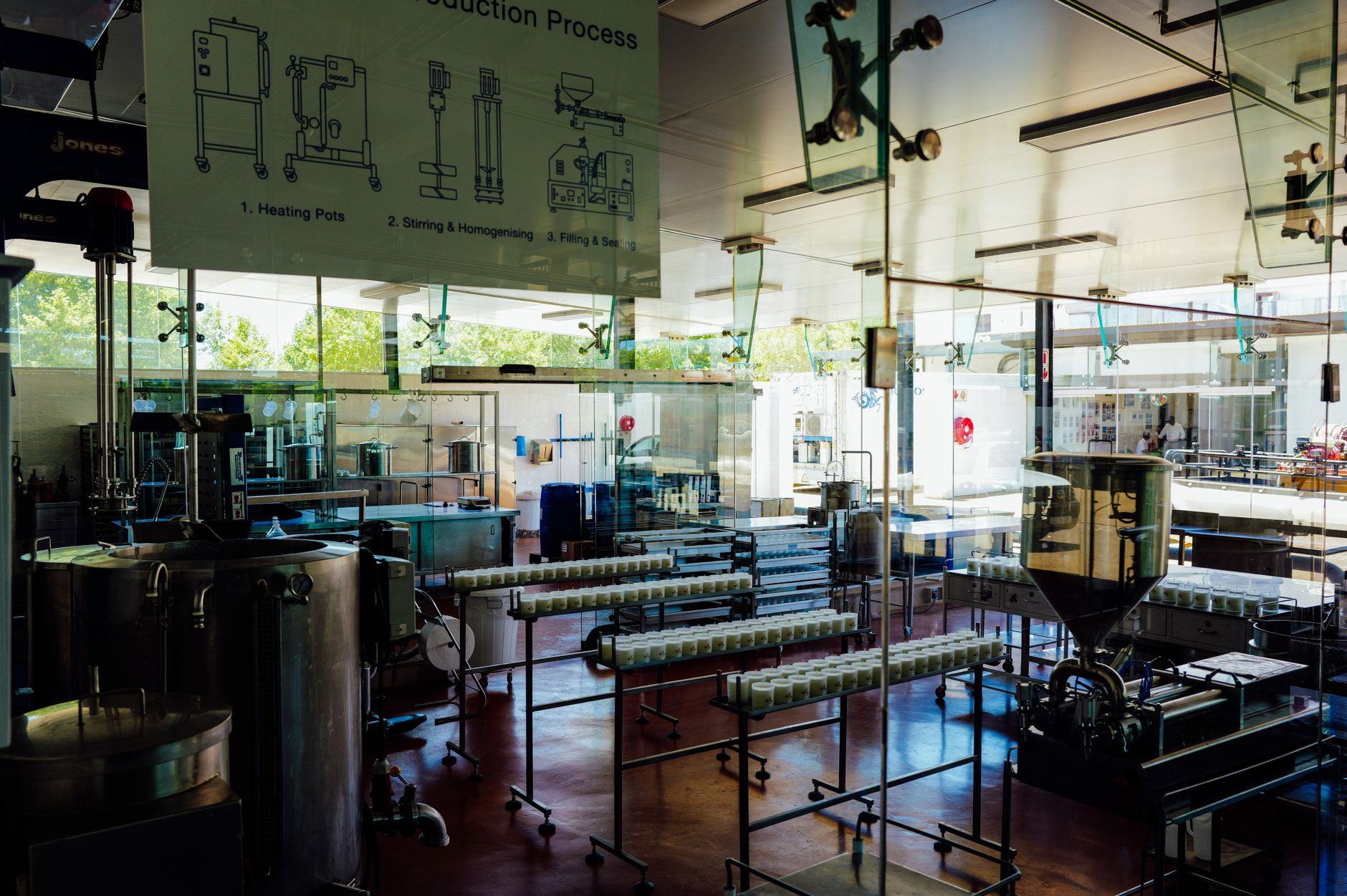
When local optimization no longer solves the problem, TRIZ Asia maps operations, flows, resources, controls and failure mechanisms to identify higher-leverage process changes.

Through its strategic partnership with GEN TRIZ, relevant engagements can access the GEN TRIZ Global Knowledge Network of more than 8,000 specialists across 25 countries.
Represent operations, subjects, objects, flows, measurements and control steps.
Identify bottlenecks, harmful interactions, cause chains and control gaps.
Use trimming, resource analysis and contradiction solving to challenge the process architecture.
Define tests, failure checks and implementation priorities before scaling.

Reported outcomes include fewer process steps, lower tooling cost, productivity close to conventional extrusion, greater design flexibility, quality advantages and potential weight savings.
Continue Reading
Yes. The approach can examine existing operations, functions, flows, resources, controls and constraints to identify where process architecture can be improved.
The focus is on understanding the mechanism producing the recurring problem rather than repeatedly treating its symptoms.
Yes. Functions are examined first so that unnecessary components or operations can potentially be trimmed, transferred or redesigned without losing required value.
Yes. The broader offering includes failure explanation, cause-effect analysis, control-gap analysis, prevention concepts and verification planning.
Share the objective, the current limitation and what has already been tried. TRIZ Asia will structure the problem and define the most useful next step.